

Dubai’s real estate market is often judged by volumes and yields, but its true long-term strength lies in regulatory innovation.
As the market moves into 2026, Dubai’s real estate resilience is increasingly underpinned by advanced governance, digital oversight, and investor-centric reforms. These measures are not reactive—they are structural, reinforcing confidence across economic cycles and global capital flows.
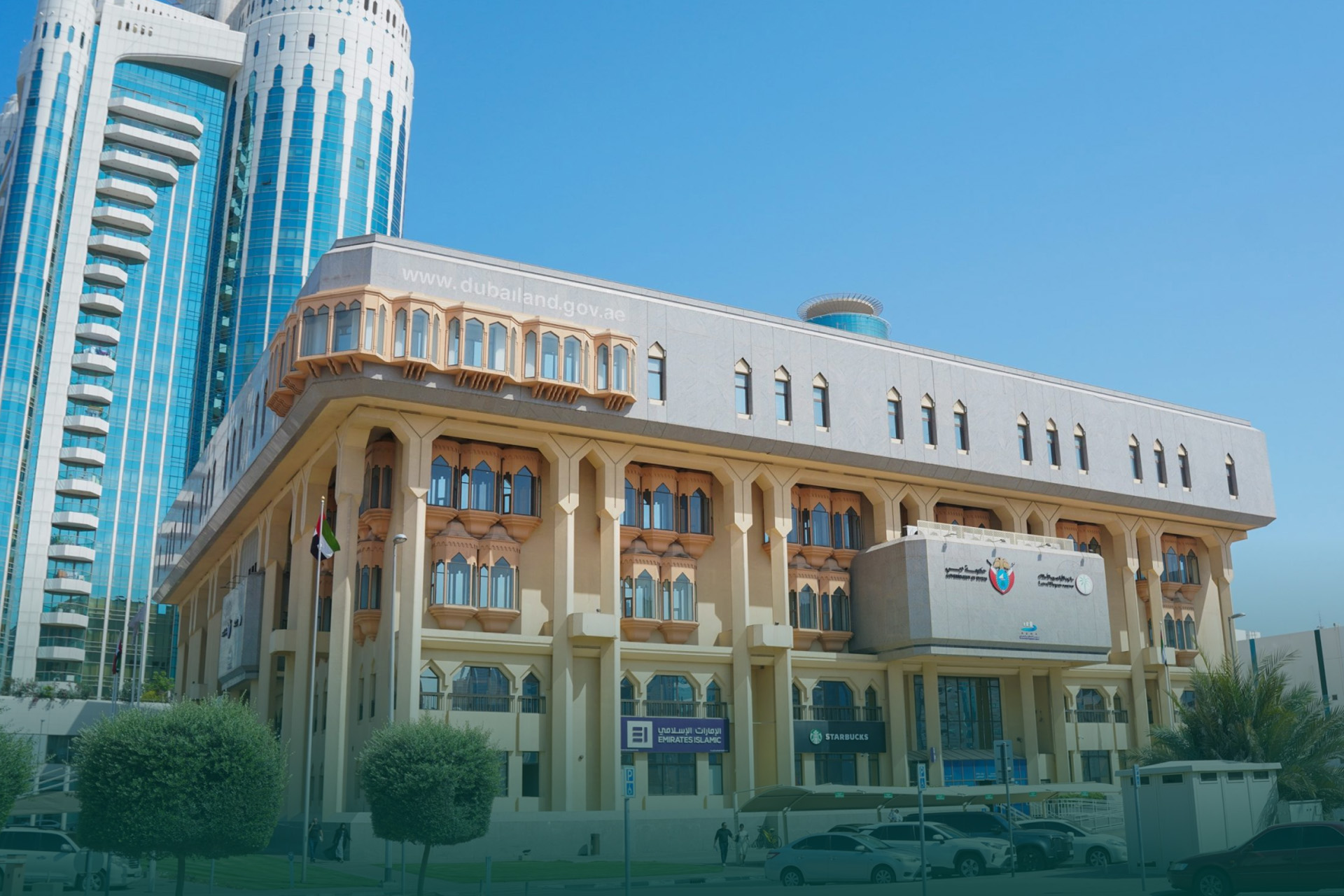
Dubai has spent the past several years modernising its real estate framework, with the Dubai Land Department (DLD) leading a transition toward data-driven oversight and transparency.
By 2026, regulatory initiatives include:
- AI-powered monitoring of real estate advertising, improving accuracy and accountability across broker and developer listings
- End-to-end digital registration and title processes, reducing transaction timelines and administrative friction
- Enhanced escrow and developer-licensing standards, strengthening delivery assurance for off-plan buyers
Recent DLD disclosures indicate that hundreds of thousands of property listings are now reviewed annually through automated governance platforms, with a significant percentage corrected or standardised—directly reducing misinformation and improving market integrity.
These reforms have positioned Dubai among the most digitally regulated property markets globally.
Why Regulation Matters to Investors in 2026
For investors—particularly in the luxury and high-value segments—regulation is no longer a background factor. It is a core investment variable.
Stronger oversight lowers exposure to misrepresentation, title disputes, and delivery risk—key concerns for cross-border investors.
Digital land registries, smart contracts, and streamlined approvals shorten deal cycles and increase certainty at every stage of ownership.
A transparent, well-regulated market enhances Dubai’s standing among global HNWIs, family offices, and institutional buyers seeking jurisdictional stability.
In an era where capital is selective, regulatory quality directly influences where investors choose to deploy funds.
Regulatory Innovation and Market Resilience
Dubai’s real estate resilience is not accidental. During periods of global uncertainty, markets with clear rules, enforceable protections, and adaptive governance outperform those driven purely by sentiment.
By integrating AI oversight, digital compliance, and regulatory coordination across land, planning, and virtual-asset authorities, Dubai has created an ecosystem designed to:
- Absorb market cycles
- Protect long-term value
- Encourage responsible development
This regulatory foundation supports sustained growth rather than speculative volatility—a critical distinction as the market matures through 2026 and beyond.
Luxvant Insight: Jurisdiction Is Part of the Asset
At Luxvant Properties, we believe asset selection begins with jurisdiction quality.
When advising clients, we evaluate not only location, design, and pricing—but also the regulatory environment governing ownership, leasing, resale, and development delivery. Dubai’s continued investment in governance allows investors to focus on opportunity rather than risk mitigation.
In a global landscape where regulatory uncertainty can erode returns, Dubai offers clarity—and that clarity enhances long-term confidence.
Key Takeaway
In high-value real estate, resilience is built long before transactions occur. Dubai’s commitment to regulatory innovation—through digital systems, AI oversight, and investor-first frameworks—has become one of its strongest competitive advantages.
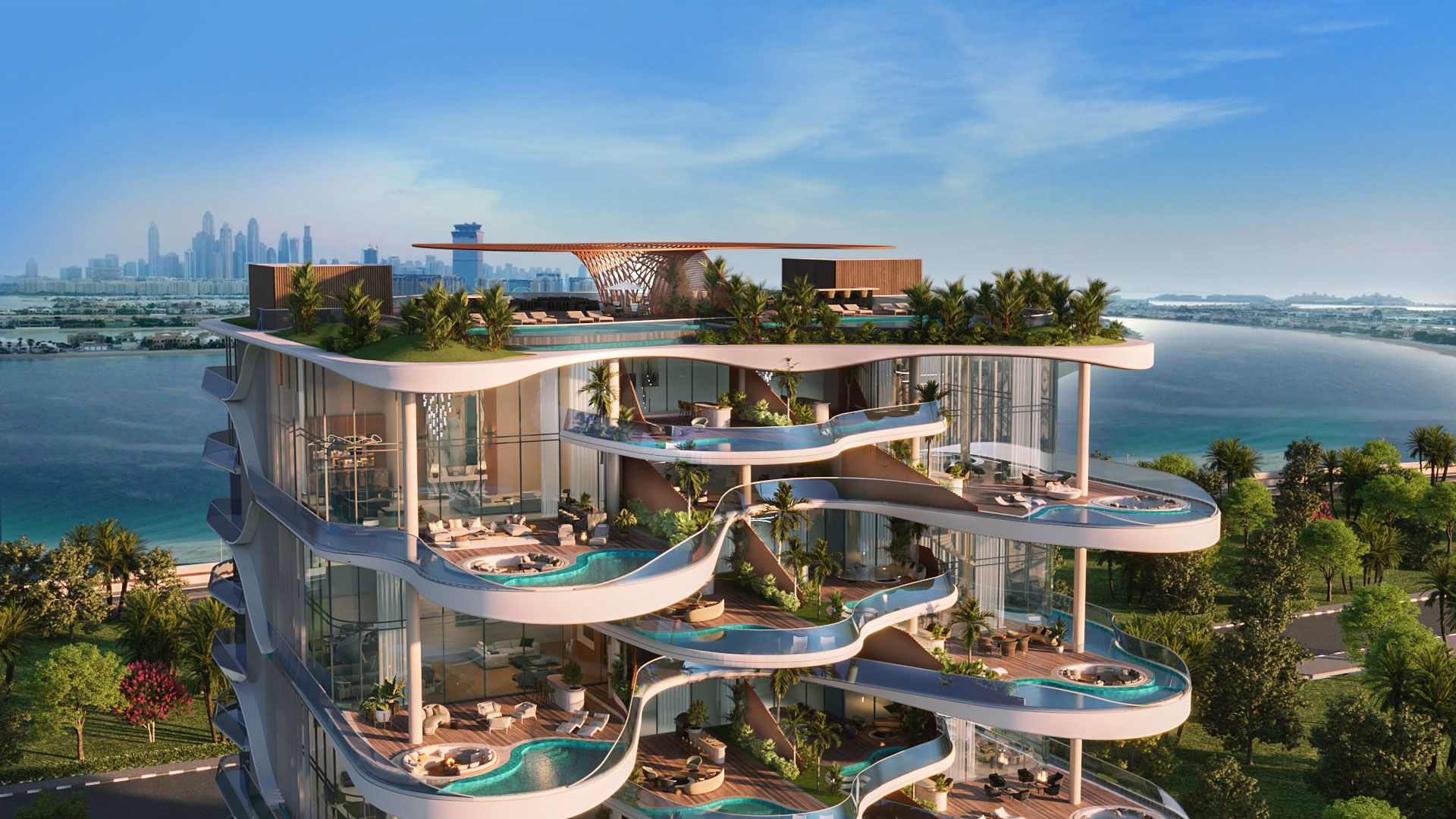
As 2026 unfolds, it is not just Dubai’s skyline that signals strength—but the infrastructure, governance, and trust that support it.